17 May 2026
Singapore Property Market Outlook 2026: What Investors Need to Know
Private residential prices rose 3.9% in 2025. Here's what buyers and investors should watch in 2026 for the resale market.
An in-depth special report on how ultra-high-net-worth individuals and family offices use advanced algorithms to discover undervalued prime Singapore assets.
In the rarefied world of ultra-high-net-worth (UHNW) wealth preservation, Singapore real estate has long been regarded as the ultimate safe-haven asset. However, as the market becomes increasingly competitive and opaque, a new breed of technology-driven buyers is emerging. At the forefront of this shift is the deployment of advanced artificial intelligence to identify off-market luxury listings priced below fair market value.
The Inefficiency of Luxury Markets Unlike mass-market segments where transactions are high-volume and highly standardized, the high-end residential market (specifically properties valued above S$5 million) is notorious for pricing inefficiencies. Individual sellers, often motivated by non-public circumstances such as sudden overseas relocation, corporate restructuring, or liquidity needs, occasionally price properties aggressively to secure a rapid close.
Enter Algorithmic Discovery Traditionally, locating these undervalued luxury assets required a vast network of private banking relationships and months of manual searching. Today, proprietary AI models are changing the landscape. By scanning hundreds of localized datasets—including historical transaction history, corporate records, and real-time listing portfolios—algorithms can instantly identify pricing anomalies.
At Below Valuation, our systems constantly track deviations between asking prices and conservative bank appraisals. When a property in Prime District 9 or 10 drops more than 10% below its running average, the platform alerts our advisory desk. For the modern wealth collector, this represents an unprecedented, systematic advantage.
The Singapore real estate market remains one of the most dynamic and robust property landscapes globally. When exploring concepts related to Financial Times: Sourcing Off-Market Luxury Estates with AI, buyers, sellers, and investors must consider macro-economic factors that influence property valuations and sales. The Urban Redevelopment Authority (URA) property price index continues to be a key barometer, alongside the prevailing interest rates and global economic sentiment. As the residential landscape evolves, taking a closer look at the key drivers behind property transactions provides a significant advantage.
Singapore’s housing framework is unique, blending high-quality public housing by the Housing & Development Board (HDB) with private residential properties like condominiums and landed estates. The interplay between these segments often dictates market movements. For instance, strong resale HDB prices can have a cascading effect, empowering upgraders to enter the private condominium market. This wealth-effect is critical for anyone trying to navigate the complexities of Financial Times: Sourcing Off-Market Luxury Estates with AI. Investors tracking property sales data will notice clear trends in district preferences, with the Core Central Region (CCR), Rest of Central Region (RCR), and Outside Central Region (OCR) each behaving according to distinct demographic and economic catalysts.
Moreover, government cooling measures, such as the Additional Buyer's Stamp Duty (ABSD) and the Total Debt Servicing Ratio (TDSR), are fundamental elements shaping buyer behavior. These regulations are designed to promote a stable and sustainable property market, preventing speculative bubbles. Anyone serious about property sales in Singapore must factor in these costs. Understanding how ABSD affects foreign buyers versus Singapore Citizens and Permanent Residents is crucial for a comprehensive understanding of Financial Times: Sourcing Off-Market Luxury Estates with AI. It directly impacts the volume of transactions and the pace of price growth across different residential tiers.
Navigating the property market requires a strategic approach. Identifying undervalued properties, understanding the growth potential of new MRT lines, and analyzing master plans from the URA are all part of the due diligence process. The narrative surrounding Financial Times: Sourcing Off-Market Luxury Estates with AI is closely tied to these strategic considerations. Properties located near upcoming transport hubs or within walking distance of elite primary schools typically command a premium and exhibit stronger capital appreciation over the long term. This intrinsic value proposition is why certain developments continue to see strong demand despite broader market headwinds.
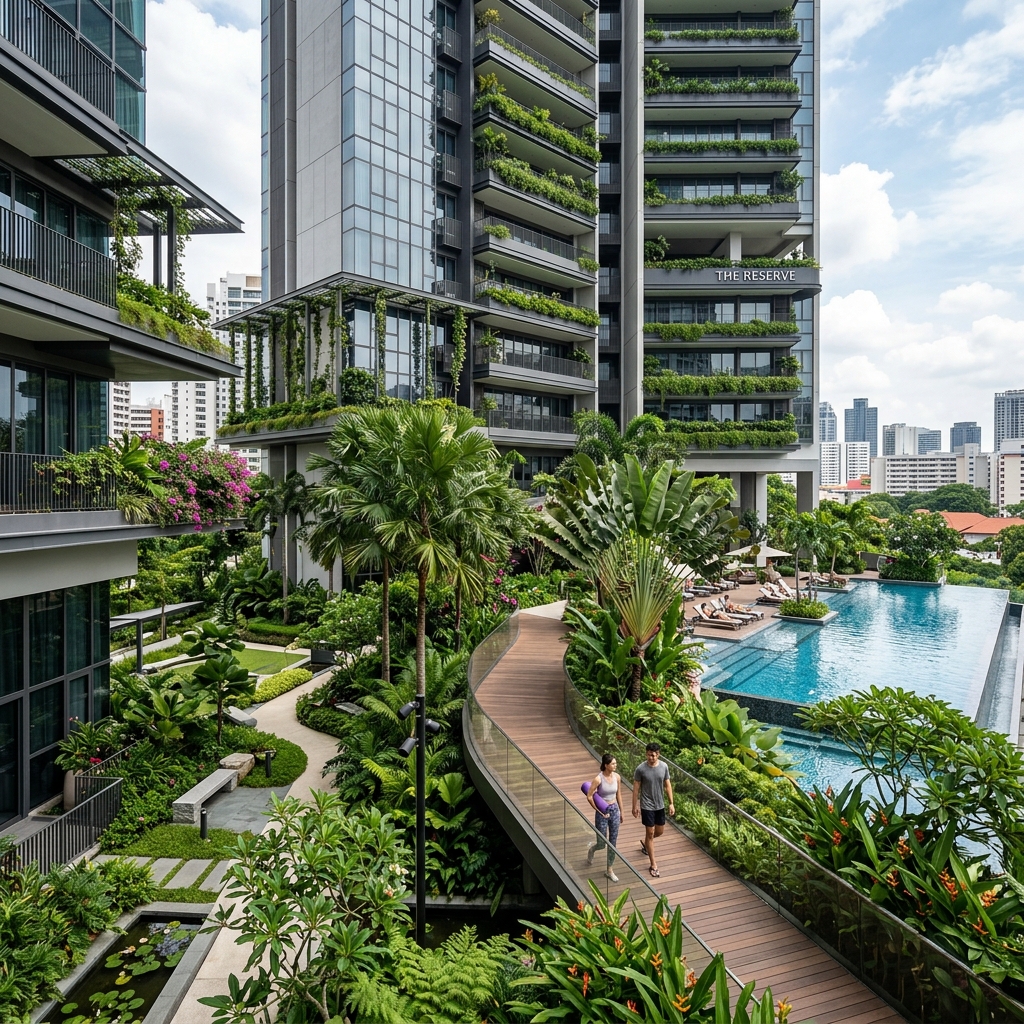
The role of amenities cannot be overstated. A residential community that offers seamless access to shopping malls, supermarkets, healthcare facilities, and recreational spaces like parks and park connectors will naturally attract a larger pool of potential buyers. When evaluating the impact of Financial Times: Sourcing Off-Market Luxury Estates with AI on your property journey, consider how lifestyle preferences have shifted. The modern Singaporean homebuyer places a premium on well-designed spaces, smart home integration, and comprehensive condominium facilities. Developments that cater to these elevated expectations often see higher transaction volumes and better price resilience.
Looking ahead, the Singapore property market is expected to remain resilient, underpinned by strong economic fundamentals, a stable political environment, and the city-state's status as a safe haven for capital. The ongoing transformation of various precincts, such as the Greater Southern Waterfront and the Jurong Lake District, will create new nodes of growth. These mega-infrastructure projects will redefine the urban landscape and present fresh opportunities for property sales and investment. In the context of Financial Times: Sourcing Off-Market Luxury Estates with AI, staying informed about these macro-trends is not just beneficial; it is essential for maximizing returns and making prudent real estate decisions.
In conclusion, the nuances of the Singapore property market require careful analysis and a deep understanding of both local policies and global economic shifts. Whether you are a first-time homebuyer looking for an HDB resale flat, an upgrader eyeing a private condominium, or an investor searching for the next prime landed property, knowledge is power. The concepts discussed in relation to Financial Times: Sourcing Off-Market Luxury Estates with AI serve as a vital guide in this complex but rewarding landscape. By staying attuned to market trends, regulatory changes, and infrastructure developments, participants in the Singapore property market can position themselves for long-term success.
Private residential prices rose 3.9% in 2025. Here's what buyers and investors should watch in 2026 for the resale market.
Private residential prices rose 3.9% in 2025. Here's what buyers, sellers, and investors should watch in 2026.
Our property experts can help you discover exclusive and upcoming listings not yet available online.
Tell us your requirements and our team will personally recommend matching properties. No forms, no waiting—connect directly with an expert advisor now.