For Singapore citizens and Permanent Residents, CPF savings in the Ordinary Account (OA) can be a powerful tool for funding a property purchase. Here's how it works.
What Can CPF Be Used For?
CPF OA savings can be used for:
- Down payment (subject to limits)
- Monthly mortgage instalments
- Legal fees and stamp duties
- Home Protection Scheme (HPS) premiums
Withdrawal Limits
For private properties, you can use CPF up to the Valuation Limit (VL) — the lower of the purchase price or market valuation. Once you reach the VL, you can continue using CPF up to the Withdrawal Limit (WL), which is 120% of the VL, provided you have set aside the Basic Retirement Sum (BRS) in your CPF.
Leasehold vs Freehold Properties
For leasehold properties, CPF usage rules may differ depending on the remaining lease. Properties with less than 60 years of lease remaining have restricted CPF usage, whereas freehold properties in prime locations represent the ultimate long-term wealth asset.
Accrued Interest
Remember that CPF funds used for property accrue interest at 2.5% per annum. When you sell the property, you must refund the principal amount plus accrued interest back to your CPF account.
Planning Ahead
Work with a financial advisor to model your CPF usage against your retirement needs. Over-relying on CPF for property can leave you short of retirement savings.
Understanding the Market Context of Understanding CPF Usage for Property Purchase
The Singapore real estate market remains one of the most dynamic and robust property landscapes globally. When exploring concepts related to Understanding CPF Usage for Property Purchase, buyers, sellers, and investors must consider macro-economic factors that influence property valuations and sales. The Urban Redevelopment Authority (URA) property price index continues to be a key barometer, alongside the prevailing interest rates and global economic sentiment. As the residential landscape evolves, taking a closer look at the key drivers behind property transactions provides a significant advantage.
Singapore’s housing framework is unique, blending high-quality public housing by the Housing & Development Board (HDB) with private residential properties like condominiums and landed estates. The interplay between these segments often dictates market movements. For instance, strong resale HDB prices can have a cascading effect, empowering upgraders to enter the private condominium market. This wealth-effect is critical for anyone trying to navigate the complexities of Understanding CPF Usage for Property Purchase. Investors tracking property sales data will notice clear trends in district preferences, with the Core Central Region (CCR), Rest of Central Region (RCR), and Outside Central Region (OCR) each behaving according to distinct demographic and economic catalysts.
Moreover, government cooling measures, such as the Additional Buyer's Stamp Duty (ABSD) and the Total Debt Servicing Ratio (TDSR), are fundamental elements shaping buyer behavior. These regulations are designed to promote a stable and sustainable property market, preventing speculative bubbles. Anyone serious about property sales in Singapore must factor in these costs. Understanding how ABSD affects foreign buyers versus Singapore Citizens and Permanent Residents is crucial for a comprehensive understanding of Understanding CPF Usage for Property Purchase. It directly impacts the volume of transactions and the pace of price growth across different residential tiers.
Investment Opportunities and Strategic Planning
Navigating the property market requires a strategic approach. Identifying undervalued properties, understanding the growth potential of new MRT lines, and analyzing master plans from the URA are all part of the due diligence process. The narrative surrounding Understanding CPF Usage for Property Purchase is closely tied to these strategic considerations. Properties located near upcoming transport hubs or within walking distance of elite primary schools typically command a premium and exhibit stronger capital appreciation over the long term. This intrinsic value proposition is why certain developments continue to see strong demand despite broader market headwinds.
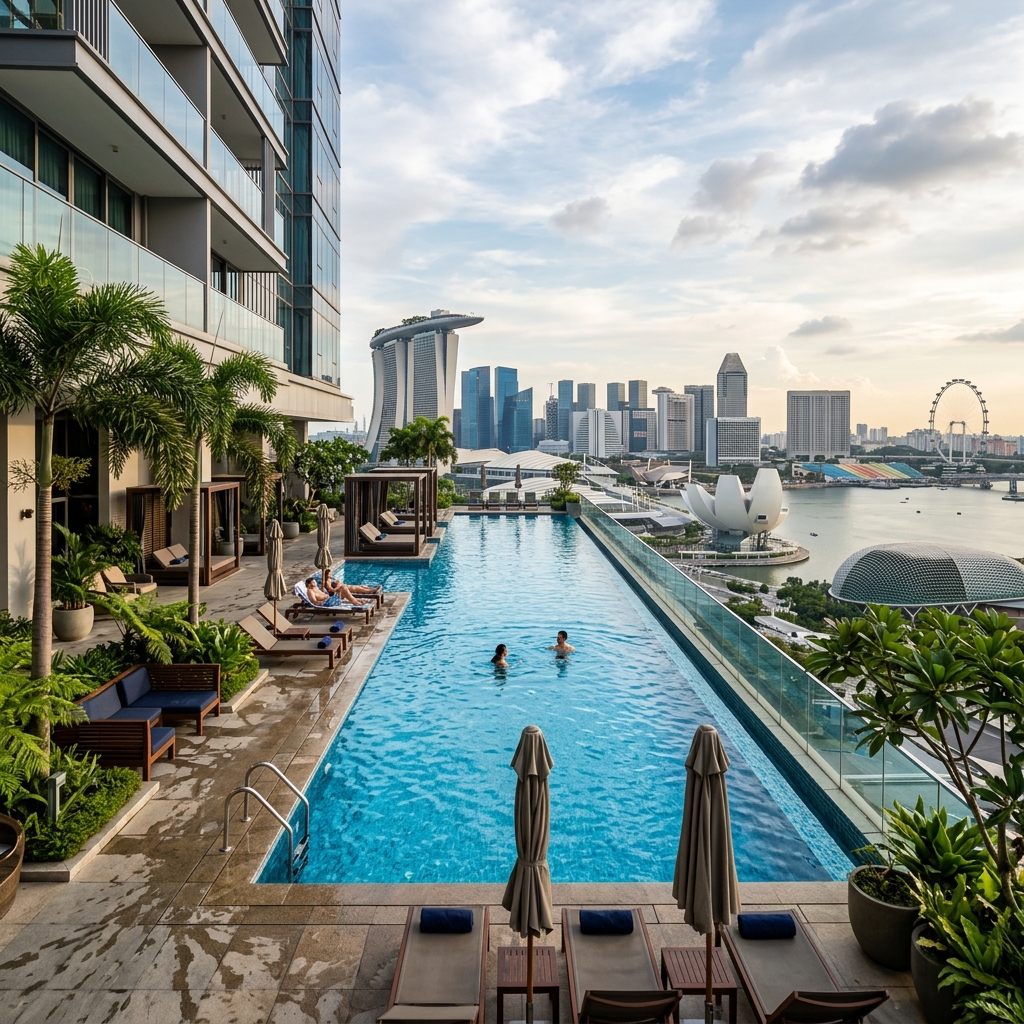
The role of amenities cannot be overstated. A residential community that offers seamless access to shopping malls, supermarkets, healthcare facilities, and recreational spaces like parks and park connectors will naturally attract a larger pool of potential buyers. When evaluating the impact of Understanding CPF Usage for Property Purchase on your property journey, consider how lifestyle preferences have shifted. The modern Singaporean homebuyer places a premium on well-designed spaces, smart home integration, and comprehensive condominium facilities. Developments that cater to these elevated expectations often see higher transaction volumes and better price resilience.
Future Outlook for Singapore Residential Properties
Looking ahead, the Singapore property market is expected to remain resilient, underpinned by strong economic fundamentals, a stable political environment, and the city-state's status as a safe haven for capital. The ongoing transformation of various precincts, such as the Greater Southern Waterfront and the Jurong Lake District, will create new nodes of growth. These mega-infrastructure projects will redefine the urban landscape and present fresh opportunities for property sales and investment. In the context of Understanding CPF Usage for Property Purchase, staying informed about these macro-trends is not just beneficial; it is essential for maximizing returns and making prudent real estate decisions.
In conclusion, the nuances of the Singapore property market require careful analysis and a deep understanding of both local policies and global economic shifts. Whether you are a first-time homebuyer looking for an HDB resale flat, an upgrader eyeing a private condominium, or an investor searching for the next prime landed property, knowledge is power. The concepts discussed in relation to Understanding CPF Usage for Property Purchase serve as a vital guide in this complex but rewarding landscape. By staying attuned to market trends, regulatory changes, and infrastructure developments, participants in the Singapore property market can position themselves for long-term success.